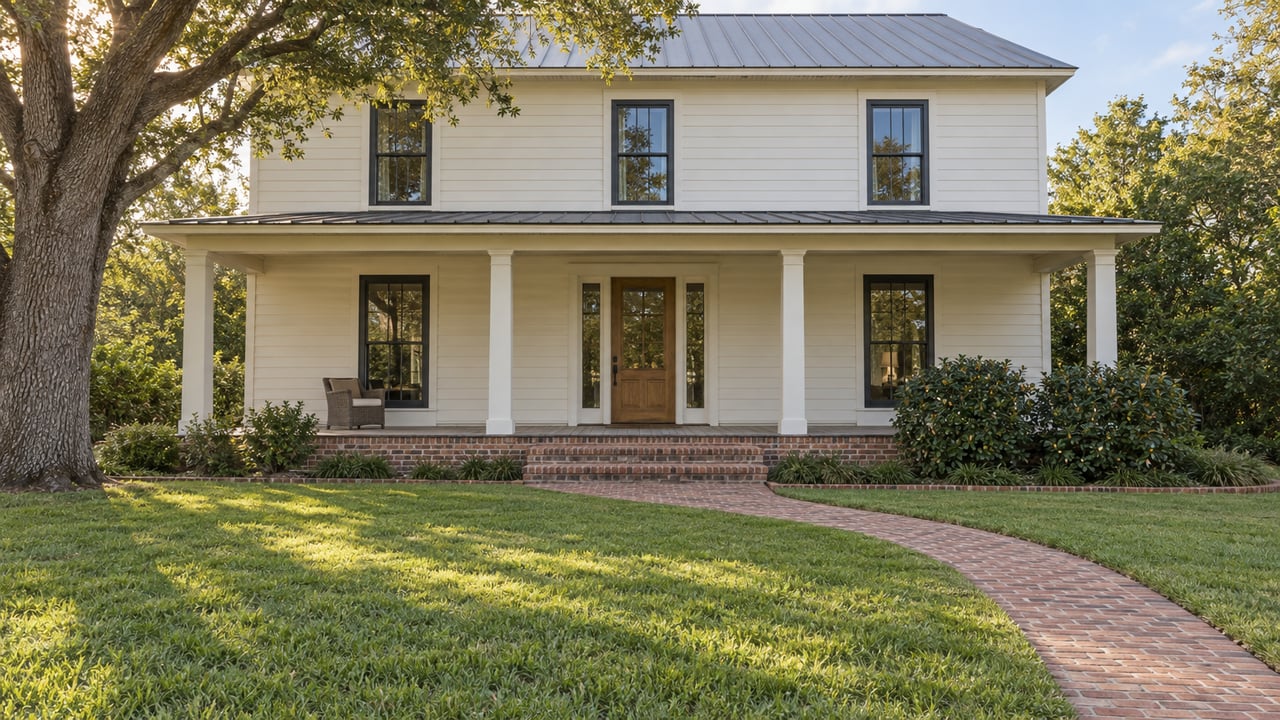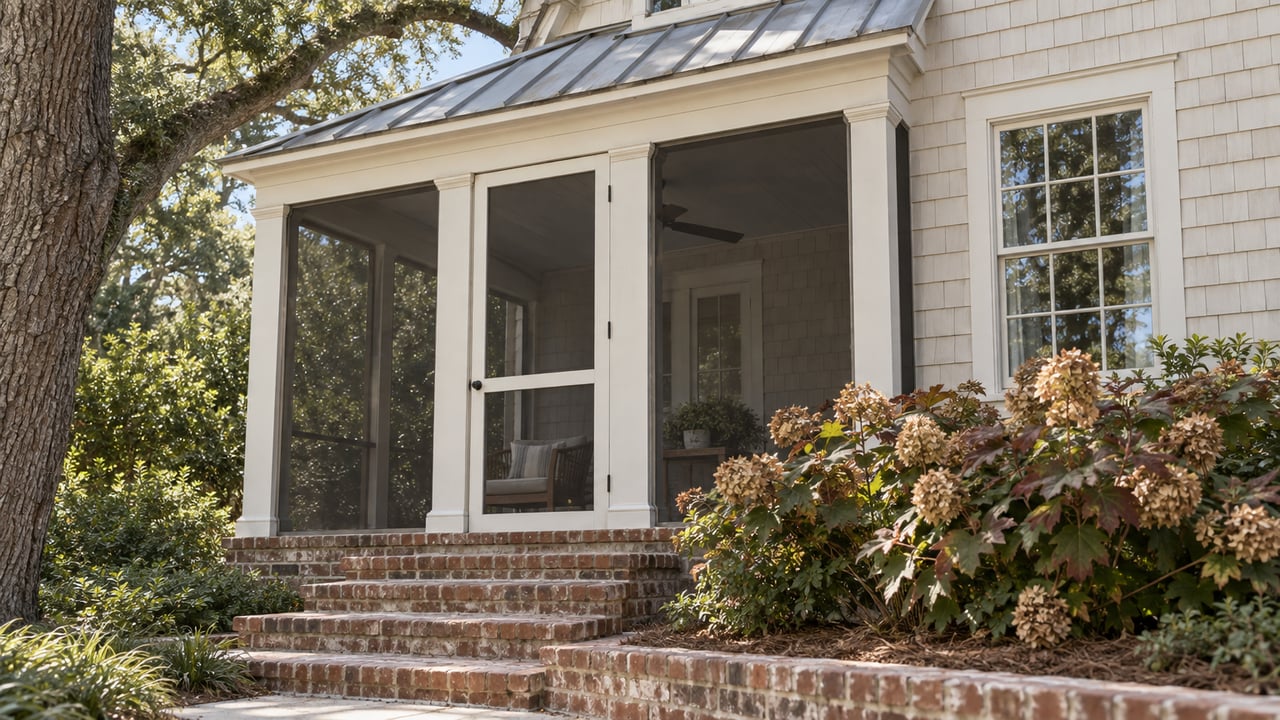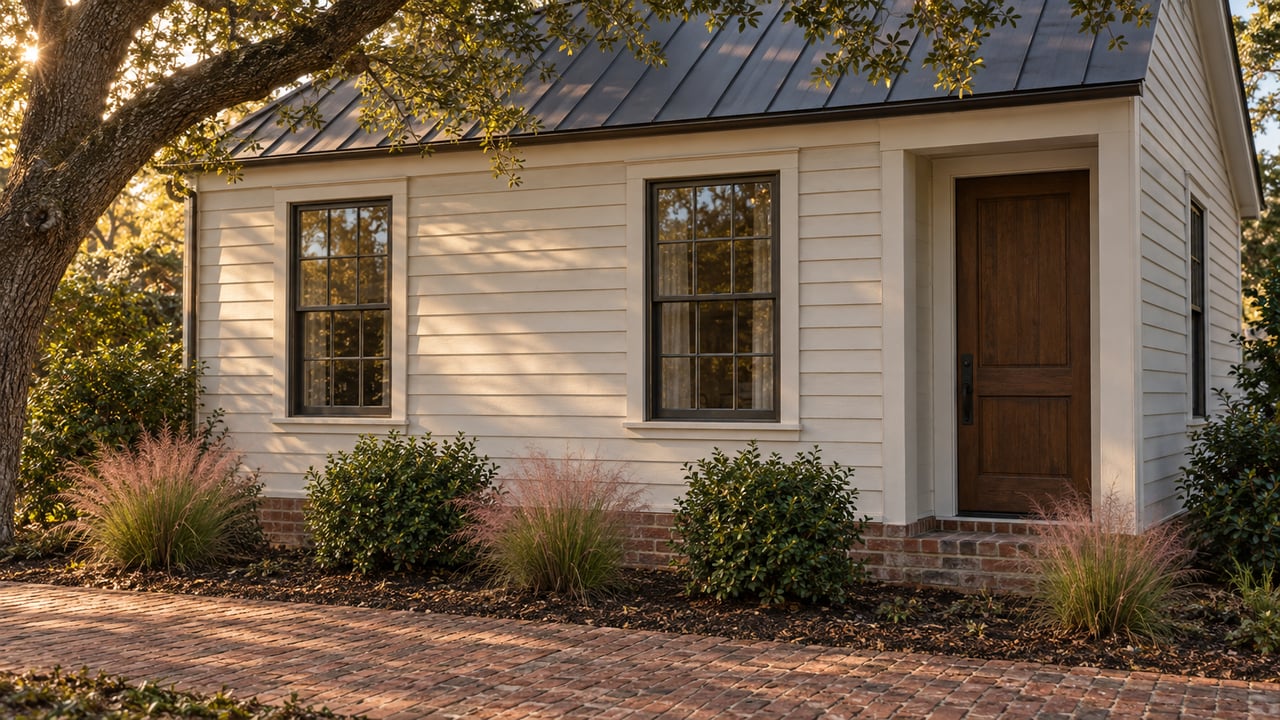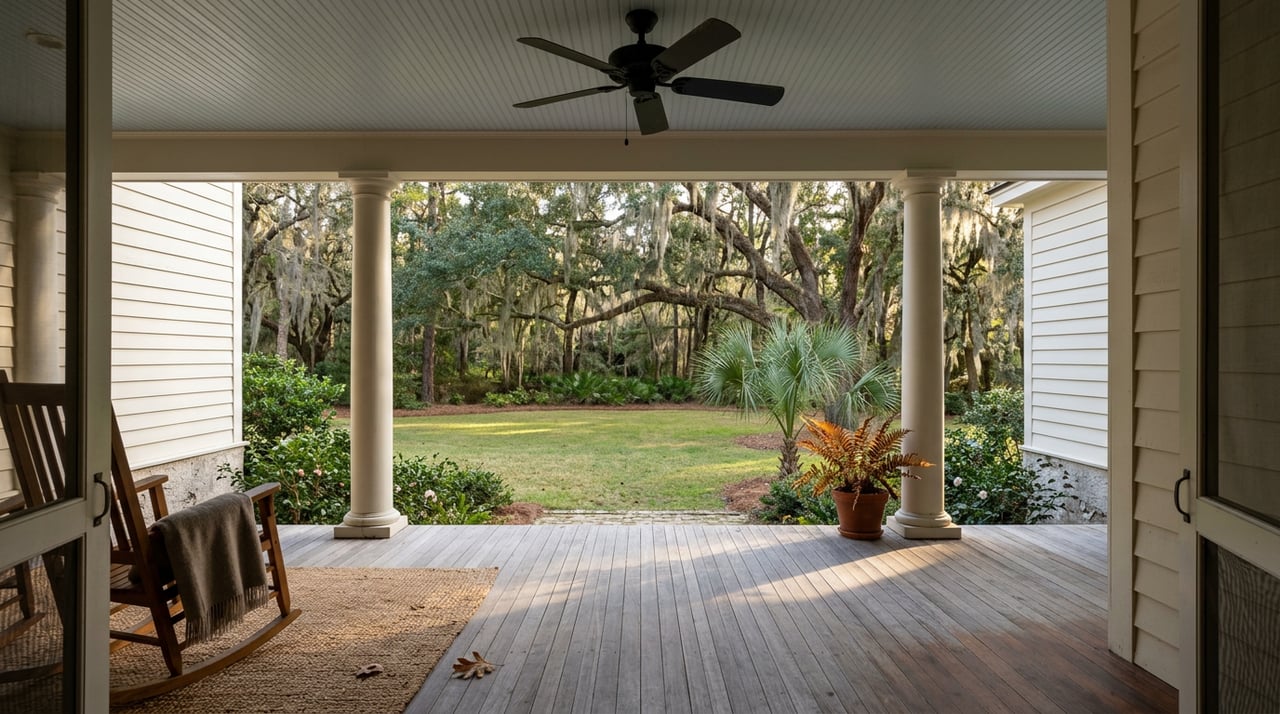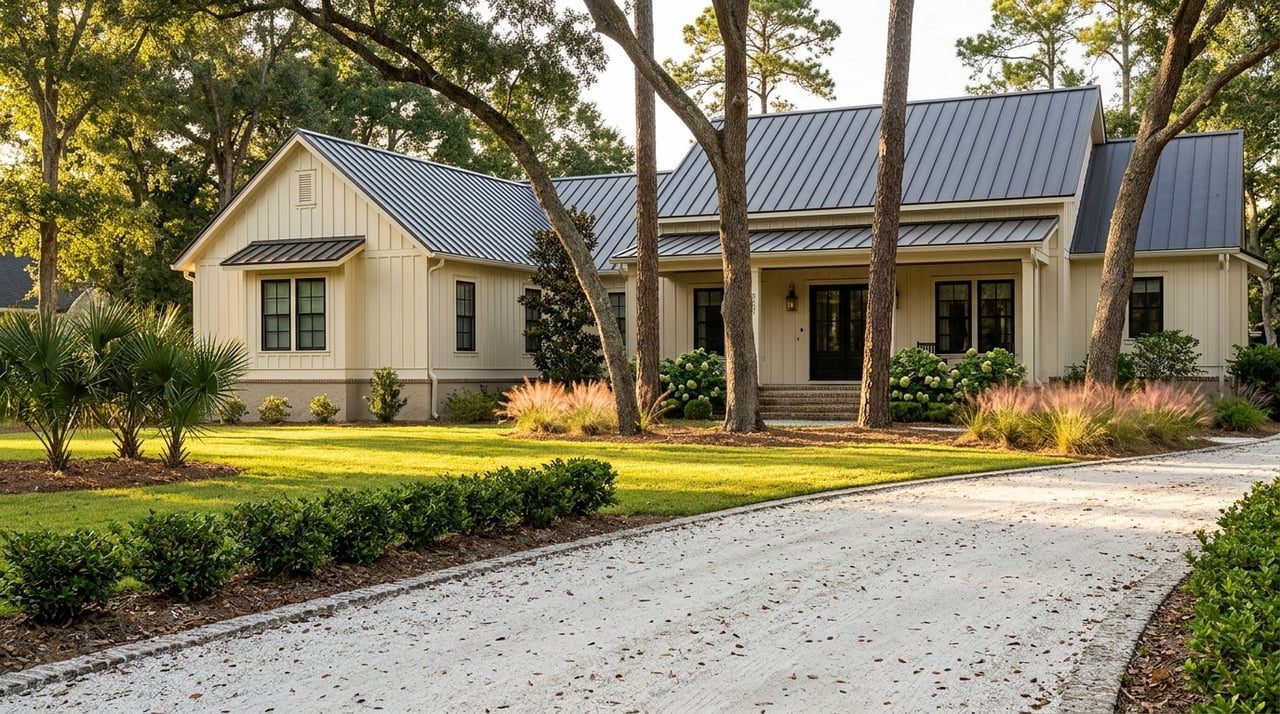
Looking for more room to breathe in the Lowcountry without losing access to the places you need most? Ridgeland offers a different kind of opportunity, one built around land, privacy, and long-term flexibility rather than dense coastal development. If you are weighing where to buy in the region, this guide will help you understand what makes Ridgeland distinct, what to watch closely, and why it may deserve a serious look. Let’s dive in.
Why Ridgeland Stands Out
Ridgeland is a small town in Jasper County with roughly 3,760 residents spread across 48.3 square miles. That works out to about 77.9 people per square mile, which is meaningfully less dense than many coastal areas nearby. If you value elbow room, that lower-density setting is part of the appeal.
The town describes itself as the historic gateway to the South Carolina Lowcountry. Ridgeland was incorporated in 1894 and has long emphasized preservation of natural resources, small-town character, and a business-friendly environment. For buyers, that points to a place with a clear sense of identity rather than a one-size-fits-all suburban pattern.
Ridgeland also sits within a part of Jasper County that is expected to change over time. The town’s 2025 comprehensive-plan presentation shows Jasper County at an estimated 30,658 residents in 2022, with projections of nearly 20,000 additional residents by 2040. That does not mean Ridgeland will suddenly feel built out, but it does suggest growing regional attention and long-term land use decisions that could matter to buyers.
Space and Privacy Shape the Market
One of the clearest reasons buyers look at Ridgeland is the land pattern. According to the town’s 2024 planning packet, there are more than 30 parcels over 100 acres within town limits, and nearly 90% of the land area is made up of those large parcels. That is not typical for a more conventional coastal housing market.
This matters because it helps explain why Ridgeland can feel different from nearby communities. In many places, your choices are mostly existing neighborhoods or newer subdivisions. In Ridgeland, the parcel layout creates more potential for privacy, larger homesites, and a stronger sense of separation between properties.
The town’s growth framework reinforces that character. Restricted development areas are generally described as rural and limited, including conservation land, agricultural land, low-density residential uses, limited rural commercial uses, public recreation areas, and hunting lands, clubs, or lodges. Secondary growth areas are also intended for limited and carefully considered planned development.
What the Housing Stock Looks Like
Ridgeland’s housing stock leans toward lower-density living. The town’s 2024 planning materials report just over 1,100 housing units within municipal boundaries, with 60.5% single-family detached homes. About one quarter are multifamily units, and just over 14% are mobile homes or other housing types.
The same planning packet notes a 7.7% vacancy rate and reports very little new housing built from 2020 to 2022. For buyers, that can mean the local market does not always behave like a fast-growing master-planned community. Inventory, land options, and development pace may require a more patient and property-specific approach.
Ridgeland may also appeal to buyers who want a lower-cost entry point into the broader Lowcountry. The ACS 2024 profile puts the median value of owner-occupied homes at $228,400, below both the wider Jasper County median and the Hilton Head Island-Bluffton-Port Royal metro median. If your goal is to balance budget, privacy, and future flexibility, that combination can be worth exploring.
Regional Access Still Matters
Space is only part of the story. Ridgeland also benefits from access to major transportation routes, including Interstate 95, US 17, SC 336, and SC 462. That regional positioning gives you options if you need to travel regularly for work, the airport, or coastal destinations.
Current route tools estimate about 41 minutes from Ridgeland to Hilton Head Island, about 34 minutes to Savannah, about 37 minutes to Savannah/Hilton Head International Airport, and about 40 minutes to Bluffton via SC 462. Ridgeland’s ACS 2024 mean travel time to work is 30.8 minutes, compared with 24.3 minutes for the broader metro area. In simple terms, many buyers trade a longer drive for more land and a quieter setting.
If you are considering Ridgeland, commute reality should be part of your decision. A map can give you a general idea, but your actual drive time may look different based on your work hours and destination. This is especially important if you expect to commute often into Bluffton, Hilton Head, or Savannah.
Long-Term Potential Looks Different Here
Ridgeland’s long-term potential is less about standard suburban expansion and more about location, land, and planning. The town’s 2025 presentation highlights infill development, utility-aware approvals, impact fees, and protection of wetlands and sensitive areas through buffers and conservation easements. That tells you growth is being shaped intentionally, not left entirely to chance.
For buyers, this can be a meaningful advantage. A place with active planning can offer more clarity around how surrounding land may be used over time. It does not remove uncertainty, but it gives you a framework for asking smarter questions before you buy.
Ridgeland can make sense if you are thinking beyond today’s floor plan. You may be looking for a primary home with more breathing room, a homesite with future potential, or land that offers a mix of personal use and long-term optionality. In each case, the value story here is tied closely to parcel characteristics, access, and local land-use rules.
Due Diligence Is Essential in Ridgeland
Because Ridgeland is not a uniform subdivision market, property-level due diligence matters. The town and county zoning materials show overlays related to flood hazard, airport compatibility, highway corridors, and interstate proximity. Two properties that seem similar at first glance can carry very different considerations.
Before you move forward on a home, homesite, or larger tract, it helps to confirm the basics early. That includes whether the property is inside town limits or in unincorporated Jasper County, what zoning applies, and how the future land use map treats the area. These details can influence everything from privacy to permitted use to future resale appeal.
Here are a few practical questions to ask:
- Is the property inside Ridgeland town limits or in unincorporated Jasper County?
- What zoning district and future land use category apply?
- Is the parcel affected by flood-hazard, airport-compatibility, highway-corridor, or interstate-proximity overlays?
- Are there wetlands or other sensitive areas that could shape use of the land?
- How does the drive feel at the time of day you would actually travel?
Acreage Buyers Should Review Tax Rules
If you are considering acreage, Jasper County tax assessment rules deserve close attention. The assessor’s office reviews legal residence and agricultural special-assessment applications, and the county’s agricultural guidance outlines size thresholds for some qualifying uses. In general, timber tracts typically need 5 acres and non-timber agricultural tracts generally need 10 acres, with some exceptions.
That can be important if you are buying land with a future-use plan in mind. Jasper County also notes that rollback taxes may apply if a parcel changes out of qualifying agricultural use. If agricultural assessment is part of your strategy, you will want to verify the current status and understand what could change that classification later.
Is Ridgeland Right for You?
Ridgeland is not the right fit for every buyer, and that is exactly why it stands out. If you want a highly uniform neighborhood experience close to dense retail and resort-style coastal development, you may find better matches elsewhere. But if you are drawn to land, separation, regional access, and a market with room for thoughtful long-term planning, Ridgeland can be compelling.
This is especially true if you are relocating and trying to compare lifestyle trade-offs across the Lowcountry. Ridgeland offers a different path, one where privacy and flexibility often matter more than being in the middle of a conventional coastal subdivision pattern. For the right buyer, that difference is the opportunity.
A careful purchase in Ridgeland starts with local context, clear expectations, and a close look at the details that shape value over time. If you want guidance comparing Ridgeland with Bluffton, Okatie, Beaufort, Hilton Head, or nearby communities, Carolyn Kraus offers the personalized, strategic support that can help you move forward with confidence.
FAQs
What makes Ridgeland different from other Lowcountry areas?
- Ridgeland stands out for its lower density, larger parcel pattern, rural character, and regional access, rather than a typical coastal subdivision layout.
How large is the town of Ridgeland, South Carolina?
- Ridgeland has roughly 3,760 residents across 48.3 square miles, according to the 2020 Census and ACS 2024 profile data cited in local planning materials.
Is Ridgeland a good option if you want more privacy?
- Ridgeland may appeal to buyers seeking privacy because local planning materials show many large parcels and a land pattern that supports more separation between properties.
What should buyers check before purchasing land in Ridgeland?
- Buyers should confirm zoning, future land use, overlay districts, wetlands or sensitive-area impacts, whether the property is in town or unincorporated county, and how the commute works in real conditions.
Can land in Jasper County qualify for agricultural tax assessment?
- Jasper County says some tracts may qualify for agricultural special assessment, with general thresholds of 5 acres for timber tracts and 10 acres for non-timber agricultural tracts, subject to county rules and exceptions.
How far is Ridgeland from Bluffton, Hilton Head, and Savannah?
- Current route estimates put Ridgeland at about 40 minutes to Bluffton, 41 minutes to Hilton Head Island, 34 minutes to Savannah, and 37 minutes to Savannah/Hilton Head International Airport.