If you are selling in Oldfield, one question matters more than most: what are buyers really comparing when they look at your property? In this community, they are not just judging square footage or finishes. They are also weighing setting, design fit, outdoor living, and how the property connects to the Oldfield lifestyle. Understanding that difference can help you price more thoughtfully, prepare more strategically, and present your property with more confidence. Let’s dive in.
Why Oldfield Buyers Look Beyond the House
Oldfield is a private golf club community set on 860 acres along the Okatie River in Okatie, SC 29909. Its amenity mix is broad, with golf, dining, a sports club, equestrian facilities, trails, pools, racquet sports, river access, and more. Because those features are spread across the community, buyers often evaluate not only the property itself, but also where it sits within Oldfield.
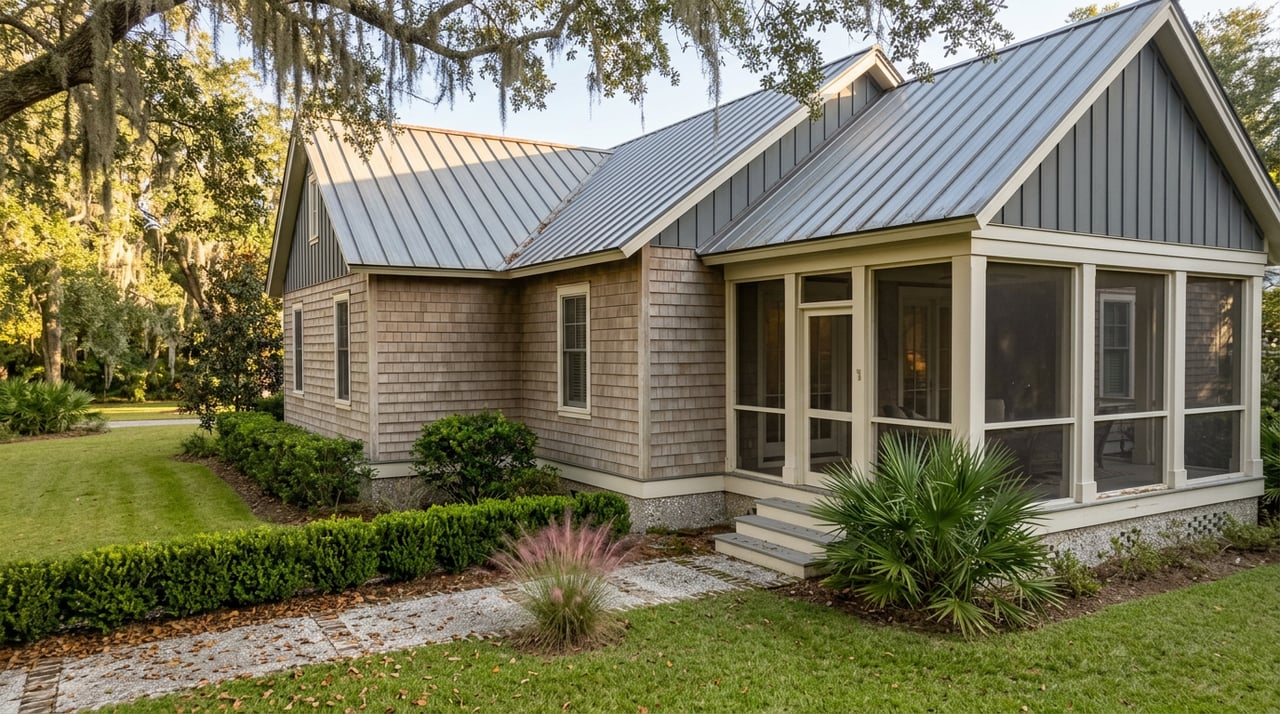
The community also has a strong architectural identity. Oldfield’s Pattern Book emphasizes Lowcountry design elements such as deep porches, covered breezeways, tabby, and a close relationship between the home and the homesite. That means buyers tend to value properties that feel visually and functionally aligned with the setting rather than properties that simply feel large or upgraded.
Oldfield’s nature-first character shapes buyer thinking too. The community highlights river, marsh, lake, wooded, and golf-course settings, and it has long emphasized conservation through Audubon recognition. For many buyers, the question is not just “Do I like this house?” but “Does this property capture what makes Oldfield special?”
How Buyers Evaluate Finished Homes
A finished home in Oldfield is usually judged on two levels. First, buyers look at the home itself, including condition, layout, finishes, and outdoor spaces. Second, they consider how well the home fits the lot, the streetscape, and the broader design character of the community.
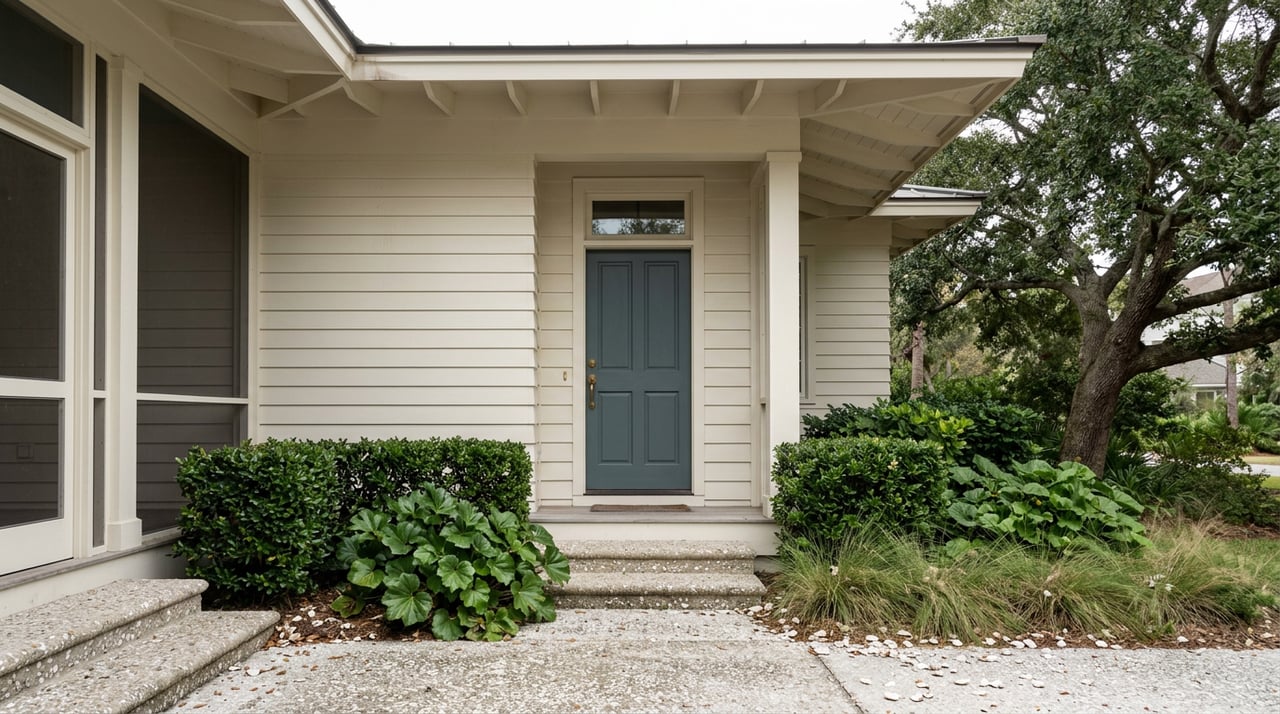
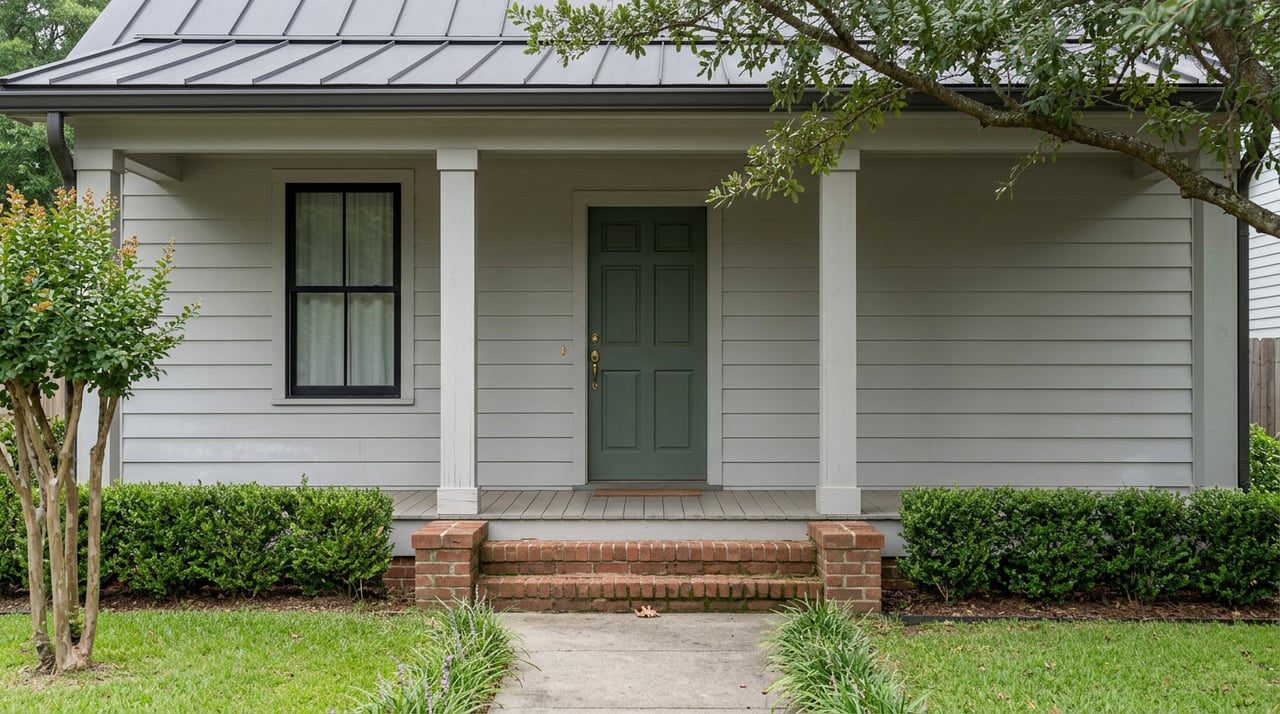
That is why exterior presentation carries real weight here. A well-kept facade, inviting porch spaces, and a home that feels settled naturally into its surroundings can influence how buyers respond right away. In Oldfield, curb appeal is not only about polish. It is also about architectural harmony.
Porch and outdoor-living areas are especially important. Since the community’s design language leans into Lowcountry living, buyers often notice whether the home makes good use of breezes, shade, views, and indoor-outdoor flow. A home with strong outdoor spaces may feel more complete and more in tune with what buyers came to Oldfield to find.
Interior finish level still matters, especially in an upper-end market. Current listing snapshots show Oldfield homes ranging from roughly the high $700,000s to $3.495 million, which means buyers can be selective. When inventory is limited, subtle differences in upkeep, material choices, and overall presentation can shape perceived value quickly.
What Buyers Notice About the Lot
In Oldfield, buyers rarely separate the home from the lot. They want to know how the house sits on the homesite, what the back view looks like, and how private the outdoor areas feel. Even a strong house can lose momentum if the setting feels less compelling than competing options.
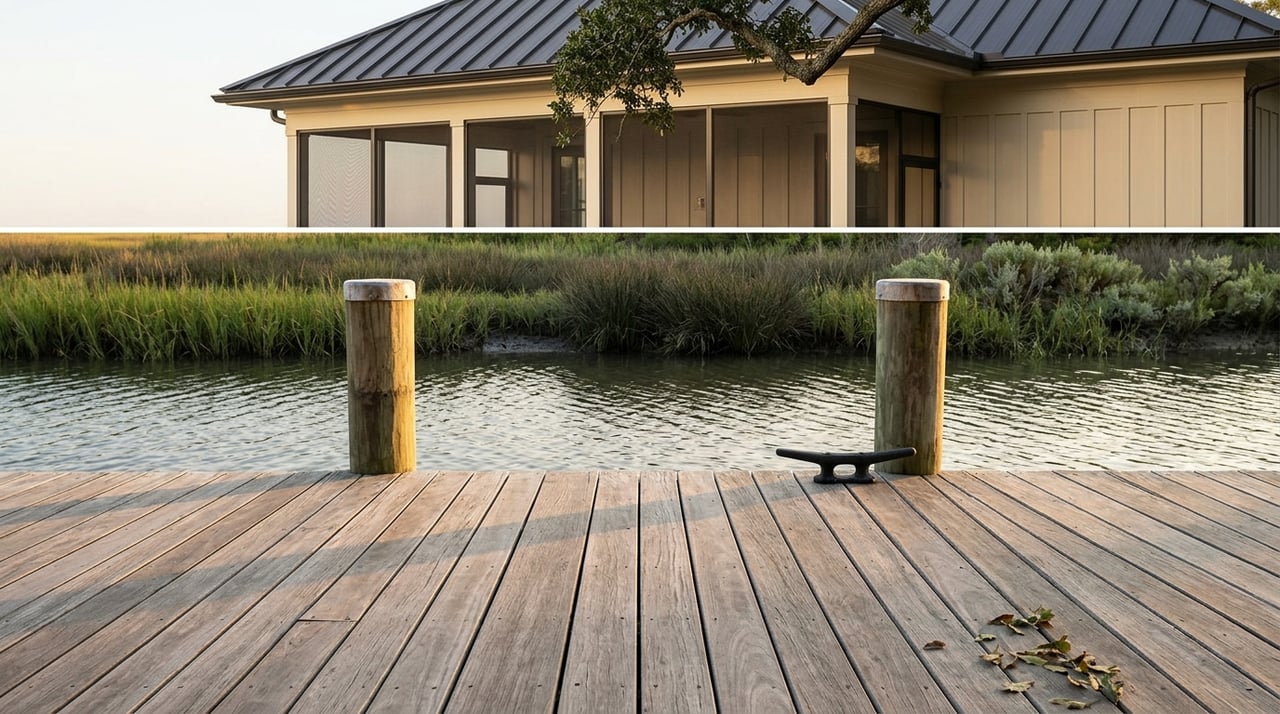
View is one of the first things many buyers assess. Depending on the property, they may compare marsh, river, lake, pond, wooded, or golf-course outlooks. They are often asking a simple question: what do I see and feel when I step onto the porch or look out the back?
Privacy also matters. Tree canopy, neighboring sightlines, and the way the home is positioned on the lot can all affect how a property feels. In a place known for mature natural surroundings, buyers often respond strongly to homes that preserve a sense of space and connection to the landscape.
Street presence matters too. Oldfield’s design guidance places importance on how a home presents from the road, and buyers often notice that instinctively. A home that feels balanced on the lot and visually appropriate for its setting tends to make a stronger impression.
How Buyers Evaluate Homesites
Selling a homesite in Oldfield is a different conversation from selling a finished home. Buyers are not purchasing a completed product. They are purchasing future potential.
That means they are usually evaluating what the lot can become. They look at view corridors, mature trees, privacy, lot shape, and orientation. They also think about whether the homesite can naturally support the kind of porch-forward Lowcountry home that Oldfield’s design framework rewards.
This is where Oldfield’s Pattern Book matters in a practical way. The guidance encourages future homes to capture views, natural airflow, and a strong relationship to the street and surrounding landscape. Buyers who understand the community often see a homesite not as raw land, but as the foundation for a very specific kind of home and lifestyle.
Recent examples in Oldfield reinforce this point. Active and promoted opportunities have highlighted wooded backdrops, mature hardwood trees, corner homesites, lake settings, and waterfront possibilities. That tells you something important as a seller: buyers are comparing the experience a lot can deliver, not just acreage or boundaries.
Location Inside Oldfield Matters
Because Oldfield offers golf, the River Club, the Sports Club, equestrian amenities, and the Outfitters Center across the property, convenience inside the community can play a meaningful role in buyer decisions. Some buyers may place extra value on a property that feels easier to reach from key amenities by cart, walk, or a short drive.
This does not mean every buyer wants the same location. Some may prioritize quick access to the amenity core, while others may prefer a quieter setting with a stronger wooded or waterfront feel. The key is to understand what your property offers and present that advantage clearly.
For a finished home, that may mean highlighting how the property connects to golf, dining, river access, or other parts of the community lifestyle. For a homesite, it may mean helping buyers picture both the future home and the day-to-day ease of living in that location.
Pricing Requires Precision
Oldfield sits within the broader 29909 market, but it operates as a more specific luxury niche. February 2026 year-to-date data for the broader Bluffton 29909/29910 area showed a median sales price of $530,000, 97.1% of list price received, 151 days on market, and 725 homes for sale. That wider market data does not define Oldfield pricing, but it does support the need for disciplined strategy.
Within Oldfield itself, visible inventory appears limited at any given time. Portal snapshots showed around 17 results on one site and 14 homes on another, with a lot listed around $369,000 for 0.62 acres and homes spanning from about $729,000 to $3.495 million. In a market with relatively few direct comparisons, small differences in condition, view, privacy, and site quality can have an outsized effect.
That is why pricing by square foot alone can miss the mark. In Oldfield, buyers often pay attention to things that do not fit neatly into a simple formula. A stronger setting, better orientation, more appealing outdoor spaces, or a more natural fit with the community may justify a different value position than a basic side-by-side comparison suggests.
Best Presentation Strategy by Property Type
The most effective preparation plan depends on whether you are selling a finished home or a homesite. Buyers look for different signals in each case.
For a finished home
Focus on the elements buyers can experience right away:
- Exterior condition and curb appeal
- Porch and outdoor-living spaces
- Interior finish level and upkeep
- The relationship between the home and the lot
- The quality of the view from key rooms and outdoor areas
When possible, your presentation should help buyers understand not only what the home offers, but why it feels right for Oldfield.
For a homesite
Lead with the qualities that shape future possibilities:
- View and privacy
- Tree canopy and natural backdrop
- Lot orientation and shape
- Street presence
- How naturally the homesite supports a future Lowcountry home
With land, buyers need help seeing what is not built yet. The clearer that vision becomes, the stronger your marketing position can be.
Questions Buyers Commonly Ask
Whether they are considering a house or a homesite, Oldfield buyers often come back to a handful of practical questions. If you prepare for these early, you can reduce uncertainty and strengthen your listing presentation.
Common buyer questions include:
- What exactly is the view from the back of the property?
- How close is this property to golf, dining, river access, or other amenities?
- Does the home already fit the Oldfield look and feel?
- If updates are needed, do they improve the home’s fit with the community?
- If this is a homesite, how easy is it to build a home that works well here?
These are not minor details. In a community like Oldfield, they often shape both interest level and pricing power.
Selling Well in Oldfield
The strongest Oldfield sales strategies start with a simple truth: buyers here are choosing a setting and a lifestyle as much as a property. A finished home needs to show condition, design harmony, and the way it lives on the lot. A homesite needs to show possibility, orientation, and the experience it can create over time.
When you understand how buyers compare homes and homesites in Oldfield, your next decisions become clearer. You can price with more precision, prepare with more purpose, and market the property around the details that actually matter. If you are thinking about selling in Oldfield and want tailored guidance on positioning your home or homesite, Carolyn Kraus offers the kind of local insight and personalized strategy that can make all the difference.
FAQs
How do buyers evaluate a finished home in Oldfield?
- Buyers usually look at condition, outdoor living, architectural fit, interior finishes, and how the home sits on the lot within the community setting.
How do buyers evaluate a homesite in Oldfield?
- Buyers often focus on view, privacy, tree canopy, orientation, lot shape, and how naturally the site supports a future Lowcountry-style home.
Does location inside Oldfield affect buyer interest?
- Yes. Since amenities are spread across the community, some buyers value easier access to golf, dining, river activities, the sports club, or other lifestyle features.
Why is pricing unique in Oldfield?
- Oldfield is a niche upper-end community with limited visible inventory, so details like setting, view, condition, and homesite quality can move value more than broad market averages alone.
What should sellers highlight when listing an Oldfield property?
- Sellers should emphasize the features buyers compare most closely for that property type, such as outdoor living and architectural harmony for homes, or view and orientation for homesites.